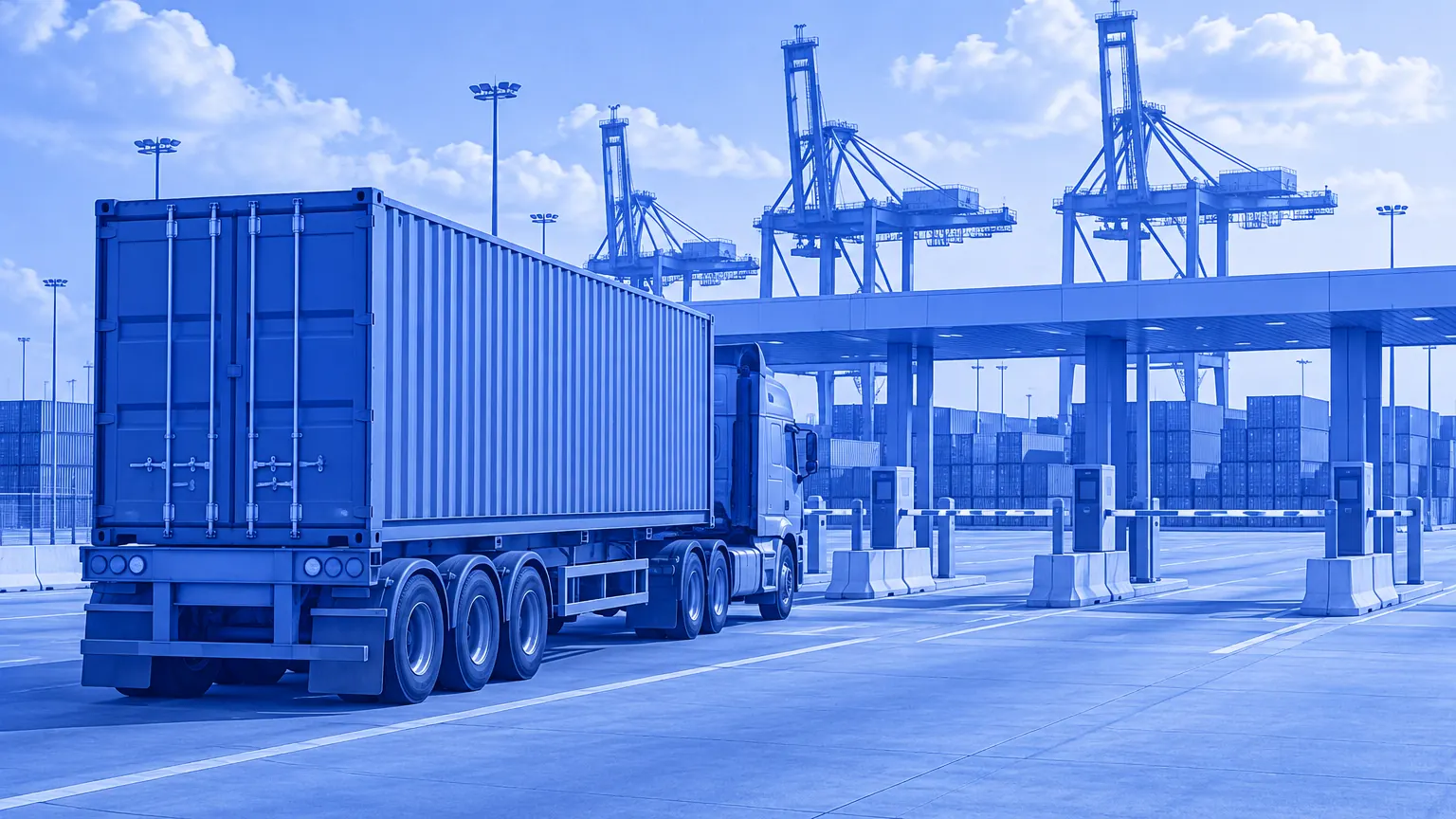
Starting Your Career in Heavy Haul Trucking
4 min read
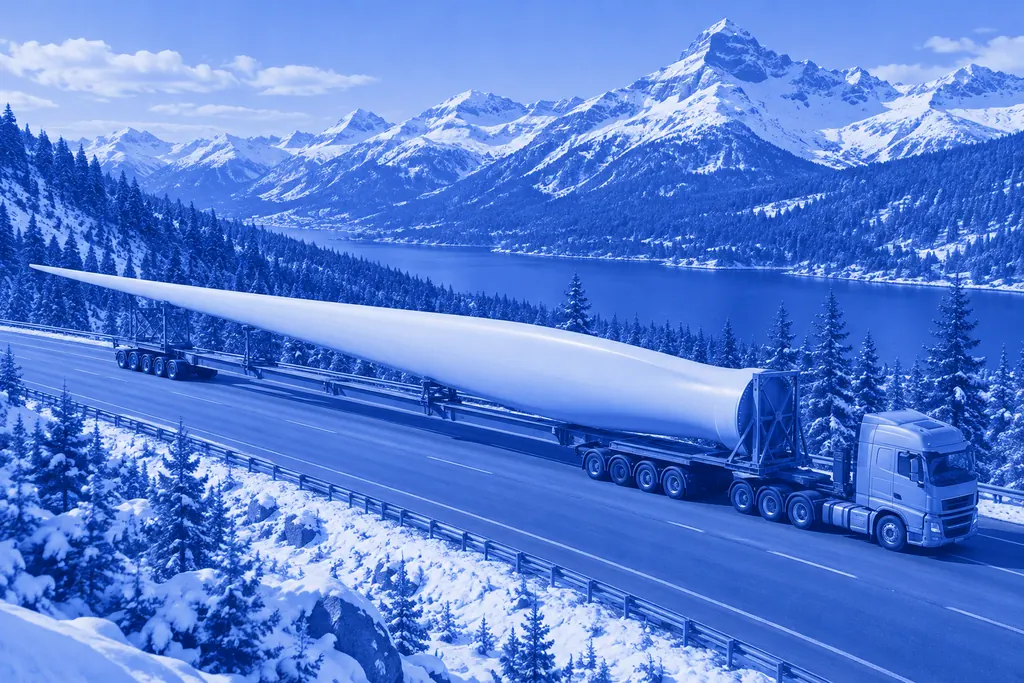
Not all trucking jobs involve a standard dry van or a 53 foot trailer running the interstate. Heavy haul trucking moves loads that don't fit anywhere else: construction equipment, industrial machinery, wind turbine blades, and anything else too big, too heavy, or too oddly shaped for regular freight. It pays more than most driving jobs, but it also demands more, from specialized permits to advanced load securement skills that a standard Commercial Driver’s License (CDL) alone won’t teach you. For drivers wondering how to get into heavy haul trucking, the path isn’t complicated, but it does require the right experience and mindset before you’re ready to move something that size.
What Makes Heavy Haul Trucking Different From Standard Freight
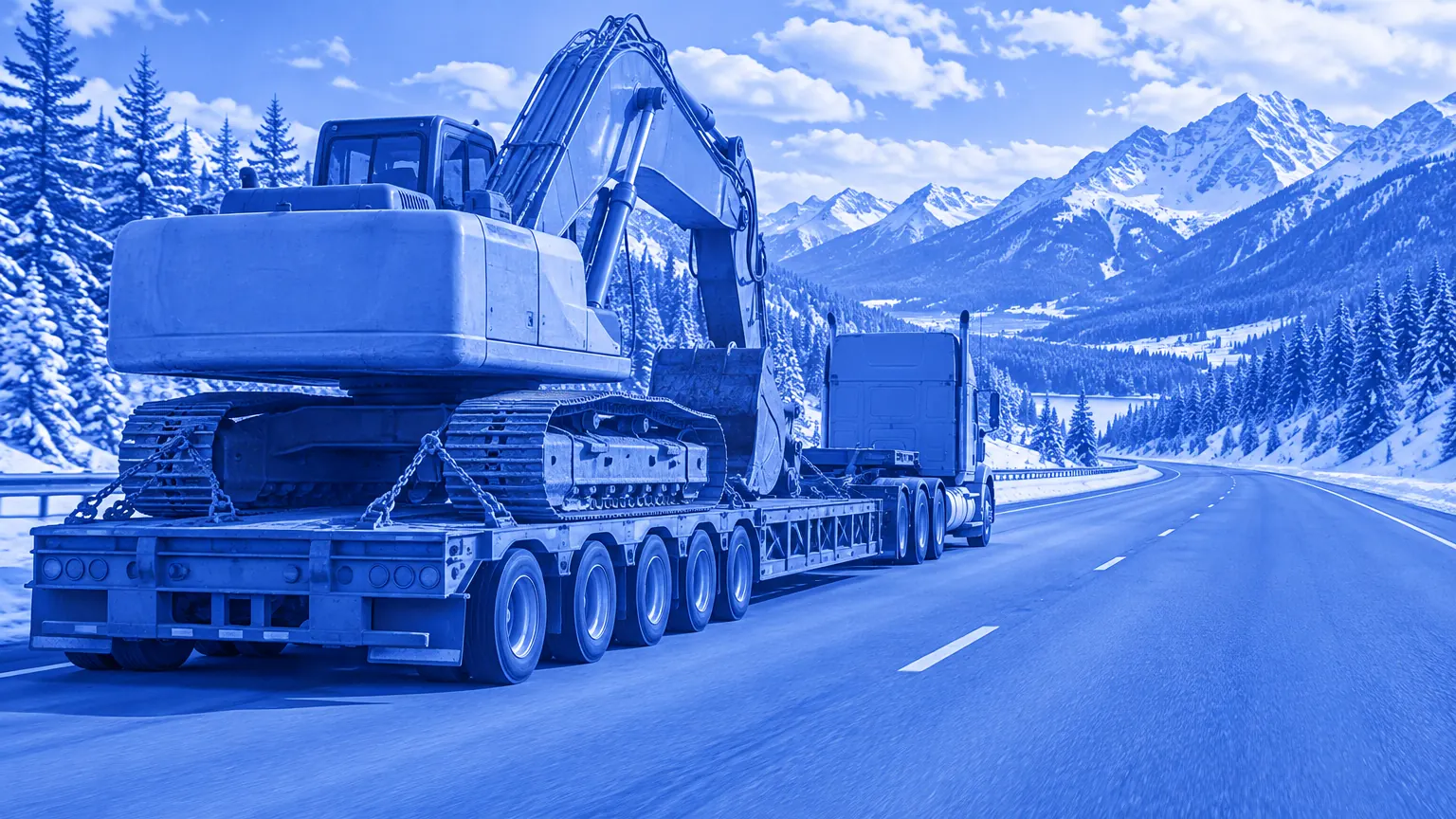
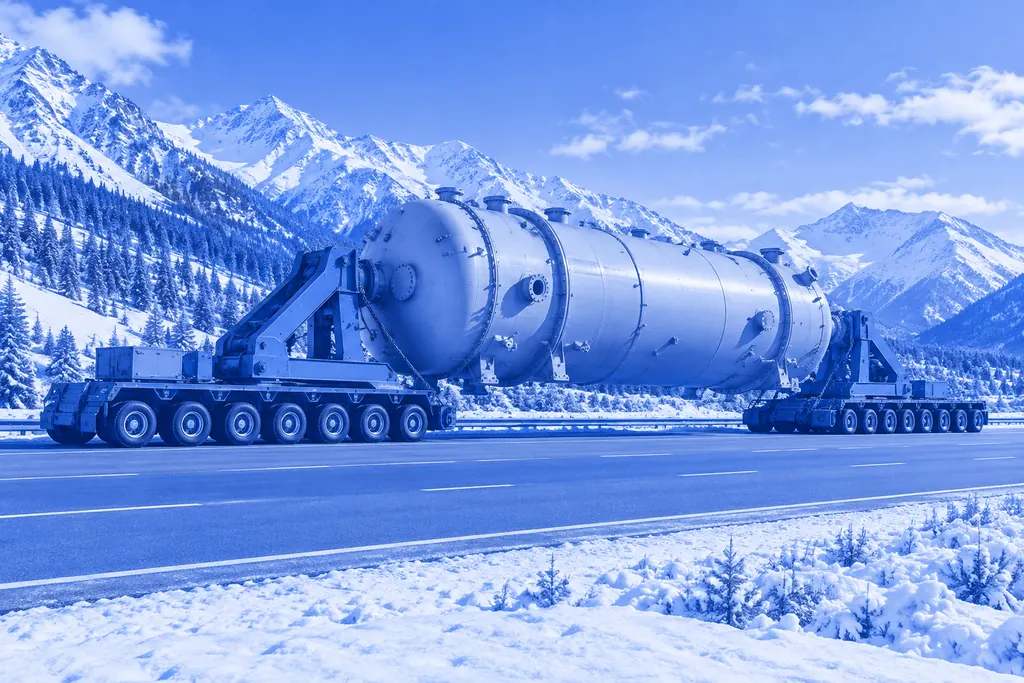
Standard freight follows simple rules: a load fits within legal width, height, and weight limits, so a driver hooks up and delivers without too much paperwork. Heavy haul trucking, sometimes just called heavy hauling or oversize trucking, throws that out the window. A load qualifies as heavy haul once it exceeds standard legal dimensions or weight. This is often called an oversize load or, in extreme cases, a superload, which means it can't move without oversize permits from each state it crosses.
What Heavy Haul Truck Drivers Actually Do on the Job
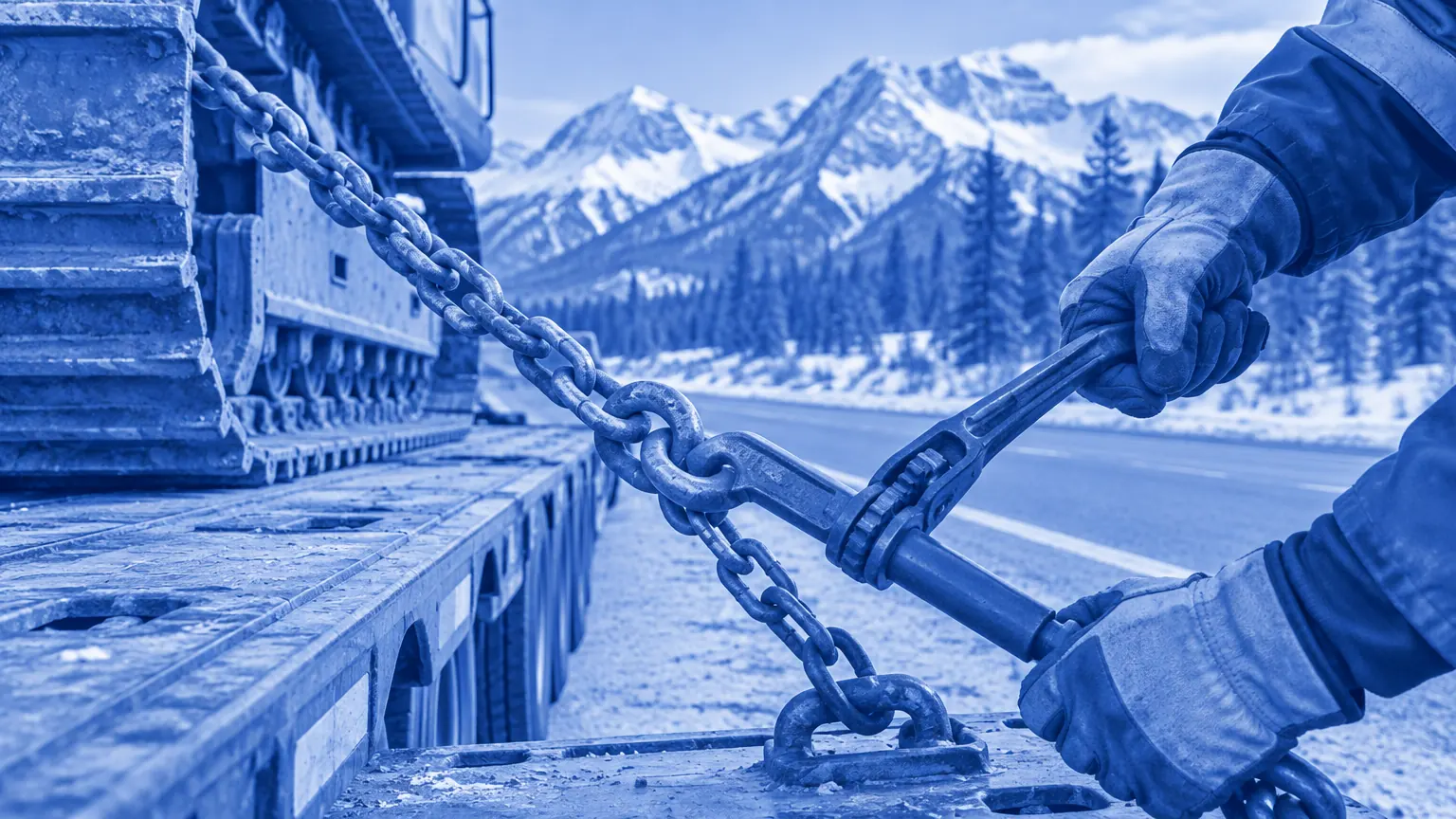
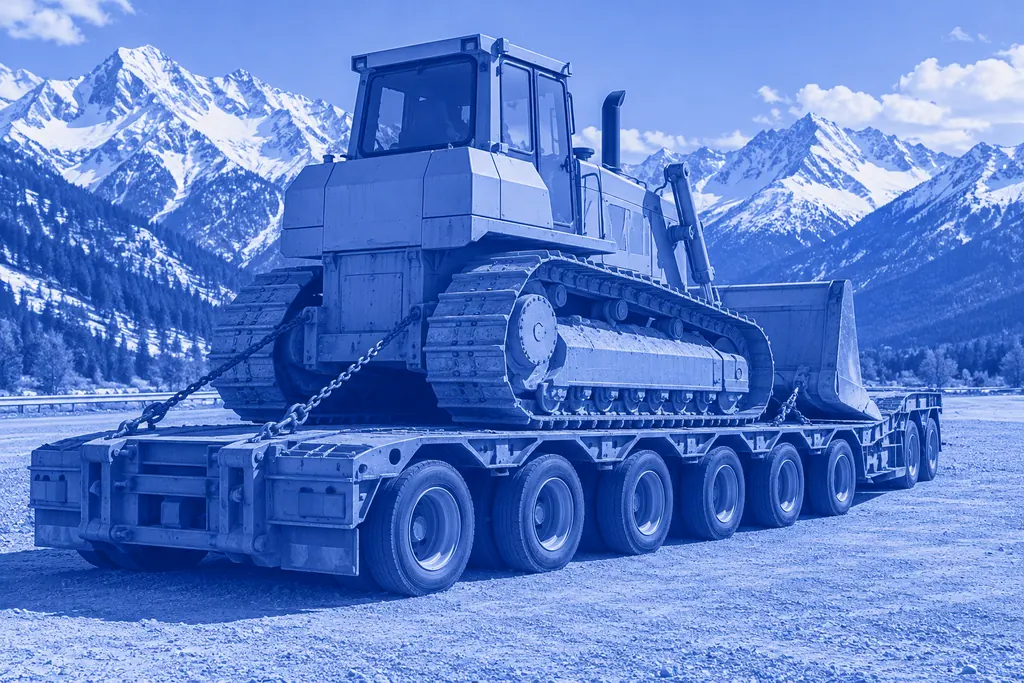
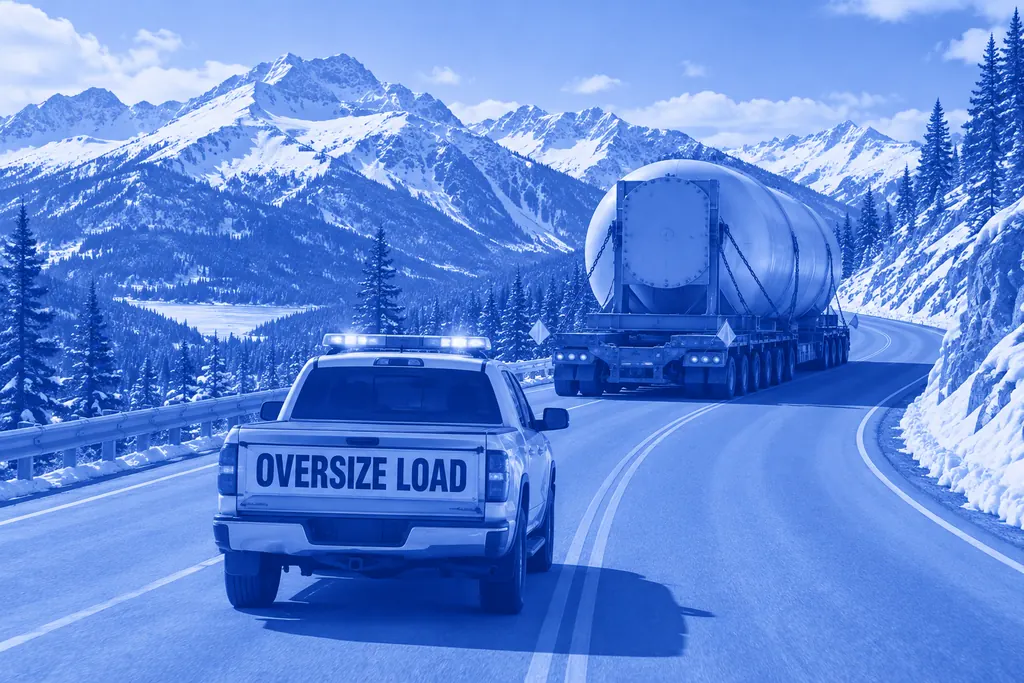
A heavy haul truck driver’s day is miles away from a typical over the road run. Before the wheels move, a driver plans the route around weight-restricted bridges, narrow underpasses, and any road construction that could block an oversized load, often coordinating with state DOT offices to confirm permits are valid for that exact path. Loading itself takes far more care than a standard flatbed job, since securing heavy equipment transport loads correctly, chains, binders, and proper weight distribution, can be the difference between a safe trip and a serious accident. On the road, a heavy haul driver often works alongside pilot cars or escorts, communicates constantly about clearances, and adjusts speed and stops to match whatever restrictions came with that day’s permits. It is slower and more deliberate work than regular trucking.
How Much Heavy Haul Truck Drivers Get Paid
Pay is one of the biggest reasons drivers move into heavy haul trucking. A driver's salary typically runs well above what a standard dry van or reefer driver earns, since the work demands more skill, more risk, and more time per load. ATS, one of the larger heavy haul carriers, publishes real numbers as an example: company drivers start around 77 cents per mile, and its top 50% of drivers earn $95,000 to $109,000 a year depending on trailer type, with top performers on Schnabel trailers clearing $145,000 or more. Lease operators running their own heavy haul truck see even bigger swings, with top earners reported well past $250,000 annually before covering fuel, permits, and equipment costs. Exactly how much a heavy haul truck driver makes depends on experience level, the type of freight hauled, region, and whether pay is structured by the mile, the load, or a flat percentage of the rate.
Conclusion
Heavy haul trucking isn’t for every driver, but for those willing to put in the work, it offers better pay, steadier demand, and a level of skill that sets you apart in the industry. Getting there takes time: a solid CDL foundation, real flatbed experience, and the patience to learn permits, routing, and load securement the right way. Once you clear that path, though, few driving jobs offer the same combination of challenge and reward that heavy haul trucking provides.
FAQs
How long does it take to become a heavy haul truck driver?
Most drivers spend one to two years hauling standard flatbed freight before moving into heavy haul, since carriers want proven load securement and driving experience first. Once that foundation is there, the actual transition can happen in a matter of weeks.
Do heavy haul truck drivers make more money than regular drivers?
Yes. Heavy haul pay typically runs well above standard dry van or flatbed rates, since the work carries more risk, more permits to manage, and more precision on every load.
Can a new CDL holder go straight into heavy haul trucking?
Most heavy haul trucking companies require prior flatbed or oversize load experience before putting a driver on heavy haul routes, since the equipment and permitting demand more than a fresh CDL alone provides.
Is heavy haul trucking dangerous?
It carries more risk than standard freight because of the size and weight involved, but permits, pilot cars, and strict load securement rules exist specifically to keep that risk manageable.