Fleet Management Automation Software (FMA)
8 min read
As trucks continue to pound the highways, the industry is going through a huge change with AI taking on heavy management backroom work. The title “Fleet Management Automation Software” (FMA) is going to change the trucking industry for the good.

For the past century trucking companies have been juggling with everyday red flag headaches. Trucking companies have relied on a myriad of tasks that need synchronization: Getting behind the wheel demands a Commercial Driver’s License (CDL) to operate large commercial motor vehicles; being sure to check when the next CDL is about to expire; customer invoices and fuel transactions are stacking up. Assignments look straightforward until the amount of time on administrating becomes a trucker’s long and winding road. So our question is: “How fleet-footed is your FMA Automation Software?” Checking a spreadsheet every week is now a memory from history. It’s hard to believe, today’s automation sends notifications before something expires.
Modern fleet management software can do the job with a few keyboard clicks. Taking care of repetitive tasks away from dispatchers, safety teams, accounting staff, and drivers, gone are the days of entering the same information onto a myriad of spreadsheets that require physical sorting. The new system collects information automatically, planning what needs to be calculated, then notifying users with the required data.
The same concept applies to accounting and fuel management. IFTA is the International Fuel Tax Agreement between the 48 contiguous U.S. states and 10 Canadian provinces. The Transportation Management System (TMS) in trucking is a digital platform that helps fleets and logistics providers plan, execute, and optimize the movement of freightIt. Is calculated automatically, resolving mileage and fuel data. This gives your company a better visibility into diesel fuel purchases, driver spending, and fuel tax information.
Automation continues all the way through billing. Once a load is completed, you can raise an invoice automatically which can be uploaded to a company, including required documents attached. What used to require several steps from an accounting employee can be classified and settled with little or no manual work.
The goal of this revolution is to enable staff to spend more time dealing with customers, drivers, planning, safety, and other problems that actually require human attention. In short, software soothes the administration pain, while truckers ride the Hammer lane.
Get Loaded and Rolling
Real-time tracking is also useful. Global Positioning System (GPS) and Electronic Logging Device (ELD) are systems plugged into a commercial truck’s engine to automatically track driving time, engine hours, vehicle movement, and hours of service. Veteran truckers will tell you that knowing how far the truck is from its next stop, along with its progress, is invaluable.
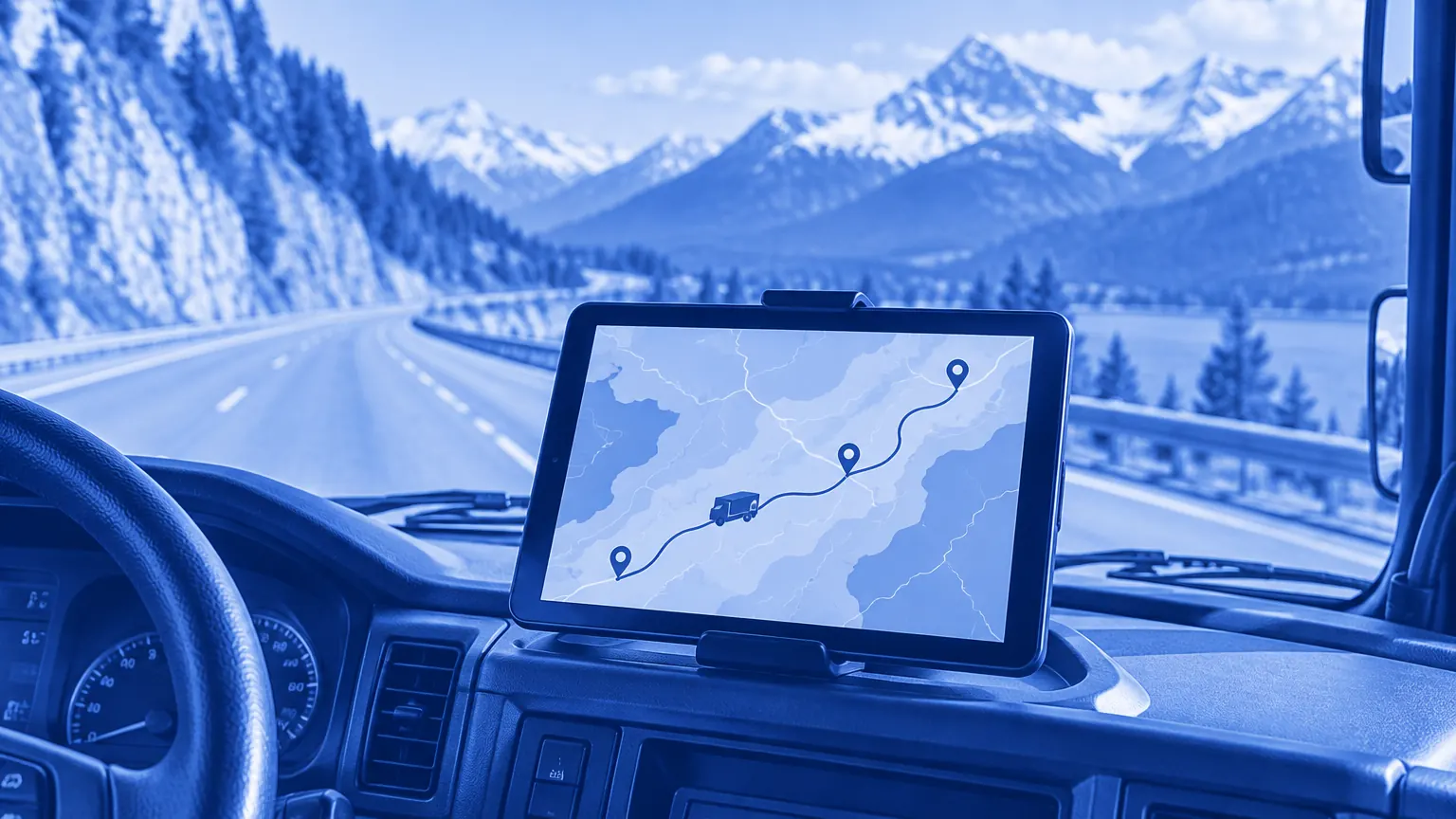
Huge improvements come from combining location tracking with a driver mobile app. Geofencing can automatically recognize when a driver enters or leaves a shipper, receiver, terminal, or other location. A driver can also update the load using simple statuses like dispatched, arrived, checked-in, loading, loaded, empty.
This creates a live picture of the current situation without requiring dispatchers to constantly call drivers asking about location and loaded status. Better information also means fewer surprises for customers. Dispatchers can provide more accurate updates, react faster when a delivery is running late and improve customer satisfaction throughout the supply chain.
AI Trucking
AI shortens all processes dramatically. An operator uploads a rate confirmation or another shipping document, and the system can read the document, identify important information, and prepare the load automatically. The user reviews this information, making necessary changes, and creates the load with a couple of clicks.
The same process can be used when creating drivers, trucks, trailers, insurance records, along with other information inside the system.
Drivers also benefit from this technology. A driver using a mobile app can scan a fuel receipt, repair invoice, inspection document along with other paperwork. Instead of the office staff manually entering every piece of information later, AI recognizes important fields and helps organize the document immediately. When repeated across thousands of documents a year, these small-time savings become significant.
Preventative Maintenance
Preventative maintenance is not only about keeping trucks running. It also affects DOT compliance, operating costs, driver downtime, and the chances of having an expensive breakdown on the road. A good preventative maintenance system allows companies to create the items that will count. Some items can be tracked by mileage, others tracked by time, with many using both.
A company wants to replace or inspect components every 70,000 miles, or over a period of months. The system monitors which limit is first. Instead of tracing when something was last repaired, users can see a maintenance history for each truck or trailer. Immediate access confirms when a water pump was replaced or an oil service approaching a mileage limit.
Expiration bars, warnings, and notifications make upcoming maintenance easy before it becomes overdue. This enables companies to schedule work when it makes sense, rather than waiting for something to fail.
Fleet Maintenance
Repair information is difficult to manage when a fleet uses dozens of fix shops across different cities and states. A maintenance system keeps all of those shops organized in one place. Users can search, sort, and filter shops based on the services they provide, such as heavy-duty repair, road service, reefer repair, DPF service, body work, tires, engine or trailer repair.
And highlighting these shops on a map makes the information even more useful. If a truck has a problem on the road, dispatch or maintenance staff can quickly see repair facilities near the truck or along its planned route.
Companies also maintain a history of repair bills and uploaded documents. Instead of storing one large invoice with little searchable information, each repair can contain individual items. This enables searching past work and answering routine questions (a part was last replaced, what shop performed the work, and the repair cost).
Over time, this creates useful data for asset management. Companies can compare repair spending between trucks, identify equipment that is becoming expensive to maintain, and understand where maintenance money is going. Result, happiness.
Vehicle Inspection
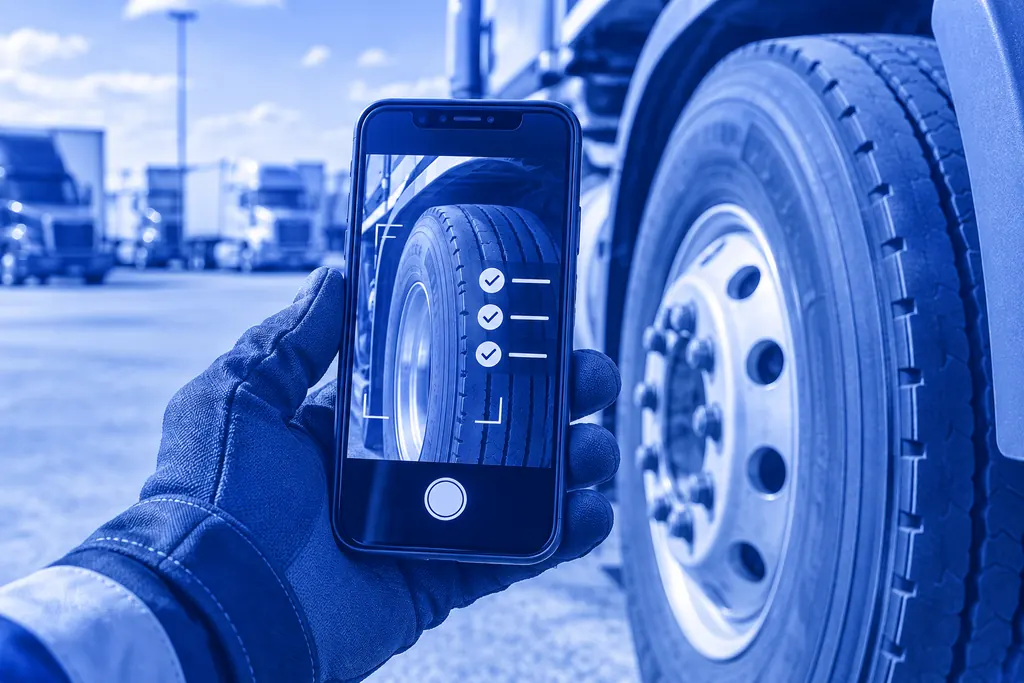
Automation creates opportunities for drivers to complete truck and trailer inspections through a mobile app instead of relying on paper forms. Any problems discovered during an inspection can be recorded immediately and connected to the correct vehicle.
If a defect requires attention, it can be sent to the maintenance team and turned into a work order. Photos, notes, inspection records, and repair information stay connected to the equipment, giving the company a clear history of what was reported and resolved.
Annual inspection dates are also monitored automatically. Rather than discovering a problem out on the road, the system warns users before an inspection expires. This creates a much cleaner connection between drivers, safety, dispatch, and maintenance.
Payroll
Trucking companies often spend hours doing work that software can calculate automatically. When payroll is connected directly to loads, stops, miles, and driver assignments, earnings can be calculated in real time as dispatch operates.


A company can define how each driver is paid, using details on mileage, percentage, flat rate, stop pay, detention, bonuses, or other pay items.
As loads are created and completed, the system already knows much of the information required to calculate payroll. Accounting staff can review payroll that has been accumulating throughout the week. Drivers also see pending and completed earnings from their mobile app, giving them better visibility into how their pay was calculated.
Automation does not mean that trucking operations run themselves. Trucks still break; customers still change appointments; drivers still get delayed. Unexpected problems will still be part of transportation, but software can replace repetitive work surrounding problems.
When dispatch, maintenance, fuel, compliance, accounting, and driver information work together inside the same TMS, employees spend less time copying information between systems and more time actually running the fleet.
For a trucking company operating every day, even saving a few minutes on each load, repair, fuel transaction, inspection, or payroll calculation can add up to hundreds of hours over the course of a year.